



Cameroon
As Paul Biya seeks a seventh term in office in Sunday’s presidential election, the economic outlook for Cameroon is far from rosy.
In reality businesses are shutting down as unemployment is increasing in the country’s restive Anglophone regions.
Coffee and cocoa are key economic mainstays of the country’s two English-speaking regions.
“Previously when you come to the market, you see a lot of people here. But now you don’t see anybody around. Now people are not coming to the market because they are afraid of the crisis”, said popcorn vendor Kenji Jude.
“All the customers have gone. Most of the time we come out but there is not customer to buy. So it is not making work because the customers are out, they have gone. The place is empty”, said butcher Wilfried Eron.
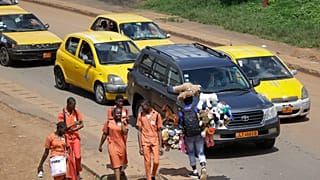
“Our President has been in power for 36 years and there has been no change. So everyone’s angry. I’m angry, we go to school and graduate without a job, nothing, nothing. Everyone is angry.”, said taxi driver John.
Last month the country’s employers’ group GICAM estimated that exports for both crops were down 20 percent, blaming the insecurity and the displacement of people escaping the unrest.
Fighting has become a daily occurrence in both Anglophone regions since late 2017 when separatists issued a symbolic declaration of “independence” from mainly francophone Cameroon.
AFP



00:48
Cameroon: President Paul Biya’s prolonged absence raises questions
00:53
Former Ivory Coast defence minister released after 'terrorism' charges
01:43
Vote counting underway following Algeria's parliamentary elections
00:51
Tanzania deploys security forces to major cities ahead of planned protests
01:07
Libya's main governing bodies agree to hold elections
01:18
Vote count begins as ruling party targets landslide win