



Tunisia
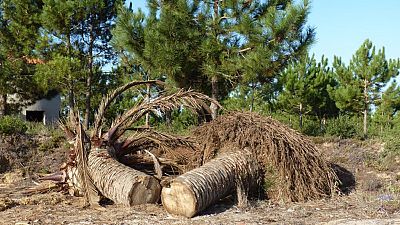
The Tunisian agricultural sector is at war with an insect that could harm its economic and environmental structure.
Being one of the world’s largest dates exporter, the country is struggling to rid itself of the the red palm weevil for the first time in three years within the country.
According to environmental experts, the insect stemmed from the importation of ornamental palm trees and now poses a huge risk to farmers in the suburbs of the capital.
“It is an insect that affects more than twenty varieties of palm trees,” said Mohamed Habib Dhouibi, the government’s chosen expert in pest control.
According to him, to control the pest, the palm has to be treated for 24 to 48 hours before disposing to prevent the insect from incubation and spreading.
The Tunisian Agricultural ministry said that the plan they approved in September last year to eradicate the insect has reached a maximum 4.2 million dinars (about €2million).
The palm and dates industry is the second largest foreign exchange earner for Tunisia after olive oil and this could be more disastrous after its tourism industry suffered a major blow from the 2015 terror attacks.








02:12
Duck brigade replaces pesticides on wine farm in South Africa
02:08
AI could transform African agriculture but access remains a major challenge
02:18
Tunisia: Sidi Bou Said residents welcome UNESCO inscription
11:19
Decoding Nigeria’s crypto shift and transforming diaspora cash into capital {Business Africa}
00:59
Ghana forecasts 16% fall in cocoa production following bad weather and disease
02:18
Tunisia: Power cuts amid heatwave leave residents and businesses struggling