



vaccine hesitancy
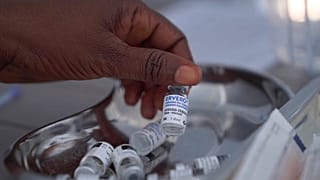
After weeks of back-and-forth, Guinea-Bissau has cancelled a proposed hepatitis B vaccine trial on newborn babies following international criticism that it was unethical and potentially exploitative.
The trial was funded by the US, under Health Secretary Robert F. Kennedy Jr., who has a long record of expressing scepticism about vaccines.
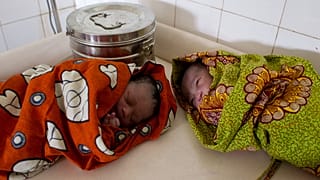
The study planned to involve 14,000 newborns, with half receiving the vaccine and the other half being denied the shot, despite WHO recommendations. Infants are at the greatest risk of being chronically infected with hepatitis B (HBV); the infection is typically passed on from mother to baby.
There is no cure for the disease and it can go on to cause long-term liver damage and liver cancer. The WHO recommends that all babies receive the HBV vaccine at birth and also a booster dose, which is known to provide years of protection.
Health experts warned that withholding the vaccine could expose babies to infection in a country where nearly one in five people has hepatitis B.
The government had previously prohibited vaccine trials involving children, while police have seized a batch of vaccines from the research centre at the centre of the controversy.



01:22
Egypt-US sign $625 framework agreement aimed at advancing mutual prosperity
01:13
El-Sayed victory draws mixed response in Egypt over criticism of Cairo
01:52
WHO approves clinical trials on two new Ebola vaccines
01:00
Pix of the Day, 4th November, 2026 - Across the world
01:08
Democrat Keisha Lance Bottoms becomes first Black woman governor in US history
01:09
Ebola fatality rate in DR Congo tops 50% as death toll reaches 5,372