



Terrorism
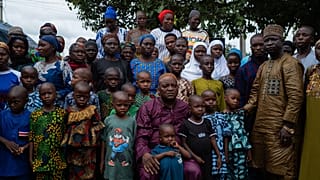
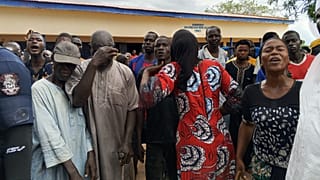
More than 300 people who were kidnapped in separate attacks across northern Nigeria have been rescued in what President Bola Tinubu called the country’s largest single-day rescue operation.
Among those freed were 163 people taken from the Woro community in Kwara state’s Kaiama area in February and 145 others, most of whom were kidnapped in neighbouring Niger state.
Officials did not share details about the rescue, only saying that the hostages were freed from a forest after months in captivity.
Speaking to the media in Ilorin, Kwara State, on Friday, kidnap victim Amira Saliu described her ordeal:
“They kept us by the river, and aircraft would often fly over the area. Whenever they spotted an aircraft overhead, they ordered us to put out any fires we had lit and remain completely silent so we would not be seen.
"Sometimes they gave us food, but other times they didn’t, and we went to bed with our children hungry. There were sick people among us, and several pregnant women gave birth while we were in captivity. They asked if there were any nurses besides me, and I told them there were not. I was the only nurse there, so I assisted the pregnant women during delivery. I helped about 10 women deliver their babies without gloves. I used my hands to help them.”
“This is one gathering that evokes mixed feelings," said Kwara State Governor AbdulRahman AbdulRazaq. "It's regrettable that the whole incident happened at all. But at the same time, we are grateful to God and just that our collective effort has paid off. Everyone has been rescued alive.”
Improved coordination
President Tinubu said the rescue was driven by intelligence and reflected improved coordination among Nigeria’s security agencies.
Mass abductions and kidnappings for ransom are still a major security problem in Nigeria, especially in the northwest and north-central areas.
Armed criminal groups, known locally as bandits, often raid villages, highways, and schools looking for victims to hold for ransom.
Authorities say many of these groups started from conflicts between nomadic herders and farmers over shrinking land and water, then grew into organised crime networks.
Nigeria is also dealing with an insurgency in the northeast that has lasted more than ten years, where extremist groups have attacked both civilians and security forces.

02:09
Thousands of residents arrive in Waza after Medouga massacres in Makary
01:57
Nigerians displaced by conflict call for 'change' ahead of 2027 polls
Go to video
At least 50 soldiers killed in jihadist attack on Malian army base
01:12
Nigeria: Abuja bans all official visits to South Africa amid anti-immigrant violence
01:11
Nigerian armed groups raise nearly $6 Million in ransoms, study finds
02:24
Inflation and security top voter concerns as Nigeria election campaign kicks off