



Iran
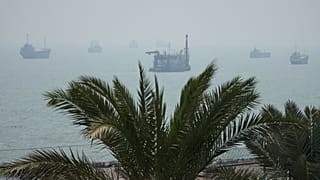
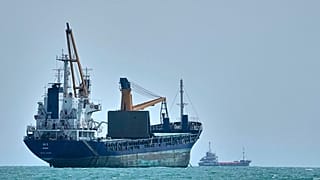
Hundreds of ships remained at a standstill in the Strait of Hormuz on Monday, as the United States and Iran reached an initial agreement that would extend their shaky ceasefire and lead to the reopening of the strait.
US President Donald Trump said on Truth Social that vessels were "starting to move, many loaded up with Oil" under the terms of the deal.
But experts who track ship movements disputed this claim, saying traffic is likely to remain limited.
Exact details of the deal, which would potentially allow oil and natural gas to reach the global market through the critical waterway, were not immediately and officially released.
The memorandum of understanding, brokered mainly by Pakistan, starts with the simultaneous lifting of Iran’s closure of the Strait of Hormuz and the US blockade of Iran’s ports, according to Pakistani officials.
The two sides will then begin 60 days of negotiations over Iran’s nuclear program and the potential lifting of sanctions, they told the AP, speaking on condition of anonymity because the text is being kept confidential.
Iran signaled implementation would not start until the signing, which Pakistan said would take place Friday in Switzerland.
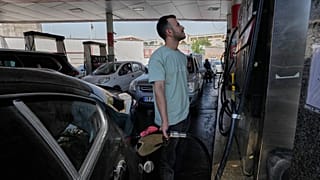
The closure of the Strait of Hormuz has roiled international markets and sent prices of fuel and other essential goods, including food, spiralling.




02:01
Kenya: Health workers increasingly concerned in wake of USAID cuts
01:15
Oil exploitation blamed for environmental damage, crop loss in Congo
02:03
US again denies Palestinian leader Abbas visa to attend UN assembly
01:08
US Military Faces Ammunition Shortages Amid Ongoing Iran War
00:58
Dangote refinery opens to public ownership in Africa's biggest IPO
00:57
Middle East turmoil: Oil spikes above $100 on war fears