



USA
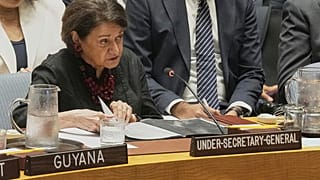
France, Germany, and the United Kingdom have triggered the so-called “snapback” mechanism at the United Nations, aiming to reimpose sanctions on Iran over its nuclear program. The move follows repeated strikes on Iranian atomic facilities during a recent 12-day war with Israel.
Moscow strongly rejected the action, calling it illegitimate.
Dmitry Polyanskiy, Russia’s First Deputy Permanent Representative at the UN: "So now the world is at crossroads. It's quite clear. One option is peace, diplomacy, goodwill. Normal human contact. Another option is kind of diplomacy at the barrel of the gun… The second option is clearly represented by the action that was triggered today by France, UK and Germany… This move by European countries in our view has absolutely no legal bearing because they were not implementing resolution 2231 in good faith.”
The snapback process, created under the 2015 nuclear deal, was designed to be veto-proof and is expected to take effect. If enforced, it would freeze Iranian assets, block arms sales, and restrict ballistic missile development, adding new pressure to Iran’s struggling economy.
Russia, which takes over the U.N. Security Council presidency in October, has floated a rival proposal to extend the life of the resolution underpinning the snapback mechanism — setting up a potential showdown with Europe.




01:09
UN calls for immediate ceasefire as Sudan crisis deepens
00:57
UN creates international day for elimination of child marriage
01:47
UN General Assembly adopts new world map that shows Africa's true size
01:06
Transnational network fuelling war in Sudan, UN report claims
Go to video
South Sudan: Two UN peacekeepers killed, seven injured
01:05
Regional body says Haiti need help ahead of holding first election in a decade