



Algeria
Eleven prominent Algerian opposition figures wrote an open letter this week, denouncing “the authoritarian climate” surrounding the country’s upcoming presidential election and calling for a broad democratic transition.
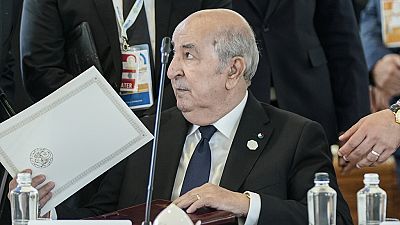
Under the rule of military-backed President Abdelmadjid Tebboune, freedom of expression has witnessed a rollback, experts say, with journalists and opposition members facing prison time and critical media outlets losing state advertising funding they have relied on to stay afloat.
In their open letter Sunday, the opposition figures — including well-known politicians, lawyers and academics — said the Sep. 7 election was a rubber stamp exercise in futility. They said the lack of civil liberties makes holding a legitimate election impossible
“No to electoral charades under dictatorship!" they wrote. “Yes to genuine democracy and popular sovereignty.” They also underscored how the government’s security policy in preparation for the election "continues to trample on the will of the people.”
“Today’s Algeria is in a more critical situation than before, with short- and medium-term prospects that are even more complex and perilous," they added.
The letter came nearly two weeks after renowned Algerian Workers’ Party leader Louisa Hanoune announced she would withdraw from the race and her party would boycott the election. She was viewed as an opposition voice that many believed legitimized the election as contested and therefore democratic. A perennial candidate who has run several times before, Hanoune said this year’s election was being held under unfair conditions and “a regressive and anti-democratic legislative framework.”
Such disillusionment is hardly new in the gas-rich North African nation. Political participation has long been low and parties have for decades boycotted elections, unconvinced that they can usher in meaningful change in a country where the military plays an influential role in politics.
Little has changed since large weekly protests known as the “Hirak” movement pushed Algeria’s octogenarian president, Abdelaziz Bouteflika, five years ago. A quick and widely boycotted election saw 78-year-old political veteran Tebboune, supported by the powerful military, replace him.
Besides Tebboune, 14 candidates will run in the election. Campaigning is scheduled to hit full swing in the coming couple of weeks.

01:17
Morocco kicks off legislative election campaign with 27 political parties vying for 395 seats
02:13
Nigerian presidential hopeful Obi promises anti-corruption drive
Go to video
Uganda's Tooro kingdom succession disputed after death of King Oyo
Go to video
Madagascar ex-Senate president sentenced to 10 years over protest crackdown
01:02
Guinea: France joins calls for transparent investigation into mass grave
01:05
Opposition urges African Union to intervene in Zambia's disputed election