



Somalia
Somalian weavers are battling to preserve the use of local fabrics and the wearing of traditional clothes.
Influx of cheap clothes and textiles from China and other countries is threatening the livelihood of weavers and a ones lucrative business.
“I have been working on this craft for forty years. I only earn a total of 50,000 Somali Shillings (US$2) each day. I do not know what to do with that money because it is not enough. I have bills for my family and if one of my kids were to get sick I can not buy medicine for them. We face a lot of problems while doing this job, but we do not know any other profession”, a weaver, Abdullah Ali said.
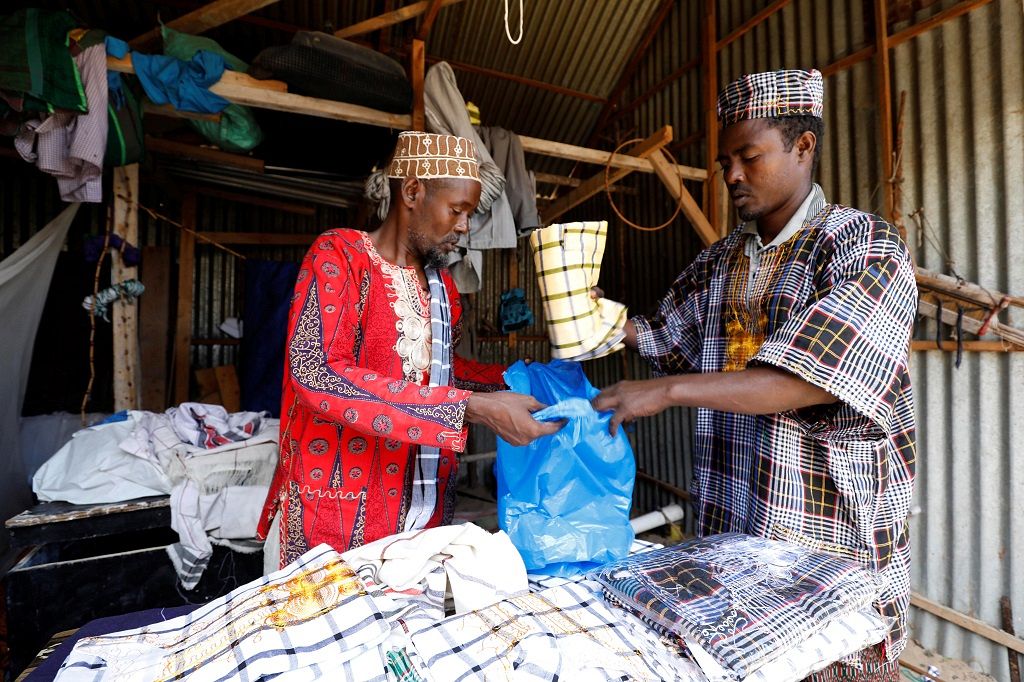
According to the USAID, their second-hand clothes industry keeps more than 350,000 people unemployed in East Africa.
“These clothes are much better than the imported clothes because their quality is better since they were woven by hand. The market is not good these day. I will keep marketing traditional clothes and also telling people that they are not expensive”, Haji Abukar, a fabrics shop owner said.
Locals are trying to encourage the purchase of the traditional ‘‘Al Hindi, a bright-colored hand woven textiles.
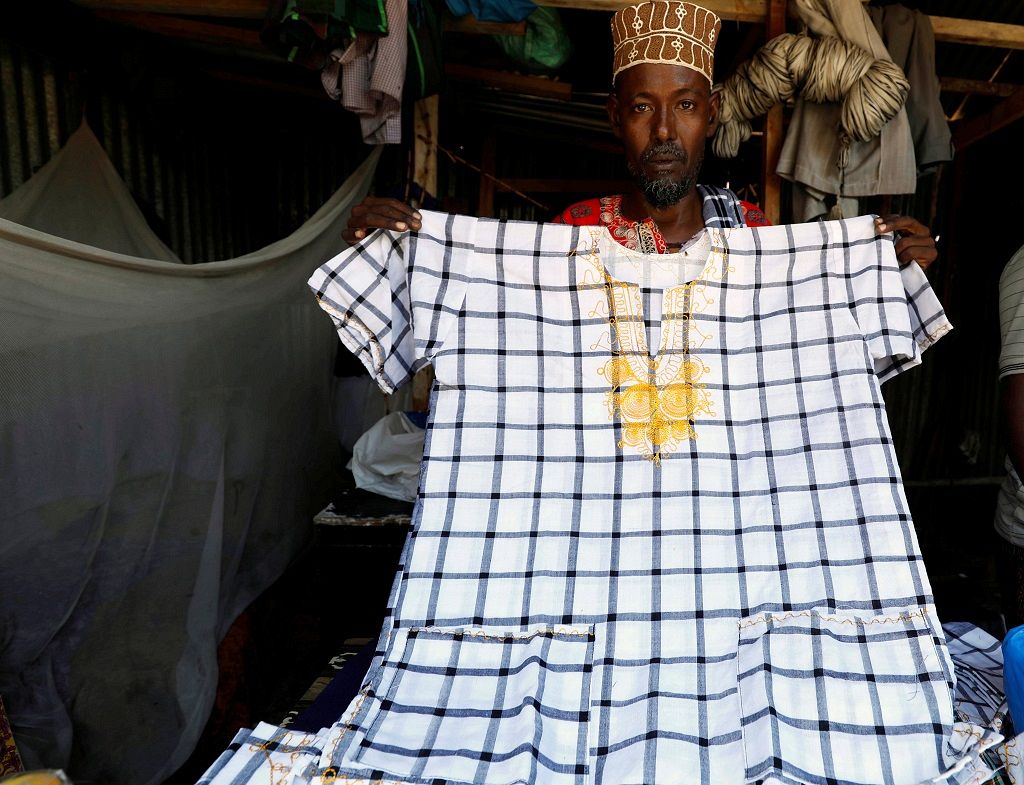
“I buy these clothes to promote local production and encourage them to make more clothes. I’ve spent US$29 for four pieces”, a customer, Idle Ali Haji said.
African nations such as Somalia have tried to tax imports to boost local production. But these moves have been met with threats of reduced business by western nations like the United States.
Reuters








02:01
Somalia seeks new shipping routes as regional tensions disrupt trade
01:03
Somalia: Fighting breaks out on outskirts of Baidoa
02:19
'Sape' a cultural movement showcased at the 6th edition of DR Congo Fashion Week
00:44
Somalia clashes with regional forces over control of key city
01:43
MSF warns of worsening malnutrition crisis among displaced children in Somalia
02:18
Ivory Coast fashion designers storm the international stage