



Cameroon
At least 15 people have been killed in a new bout of fighting between Cameroon army troops and separatist rebels, the two sides said on Tuesday, in a rise in violence since President Paul Biya won a seventh term in power in October.
The conflict between Anglophone separatists, who want to create an independent state called Ambazonia, and government forces has killed more than 400 people in western Cameroon since last year and has emerged as Biya’s greatest security problem in nearly four decades of rule.
The two sides often provide conflicting accounts of the fighting, but both have reported heavier casualties in recent weeks, with dozens killed.
Twenty-three separatists have been killed in clashes with government troops since Nov. 10 near the town of Nkambe in Cameroon’s English-speaking Northwest region, while another six have been killed in nearby Ndu, Army representative Didier Badjeck said.
Ivo Tapang, spokesman for the Ambazonian Defence Force, one of the main Anglophone secessionist militias, confirmed that fighting had occurred in Nkambe, but disputed Badjeck’s account.
He said ADF troops had encircled a government army truck near Nkambe after it was overturned by a roadside bomb on Saturday. “Two of our fighters were killed and we killed 13 of them,” he said.
The fighting follows clashes on Oct. 23 that killed at least 10 and up to 30 combatants, according to differing accounts from the two sides that could not be independently verified.
Separatist militias launched an insurrection last year against the predominantly Francophone central government after authorities violently repressed peaceful protests against perceived marginalisation of the English-speaking minority.
The army has burned villages and killed unarmed civilians, residents have told Reuters, forcing thousands to flee to French-speaking regions or neighbouring Nigeria.
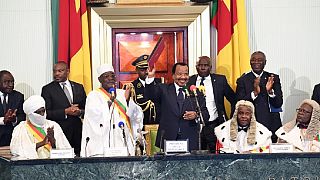
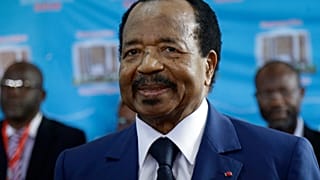
Threats by the separatists disrupted voting in Cameroon’s two Anglophone regions during the Oct. 7 election, which Biya won in a landslide to extend his 36-year rule.
The linguistic divide harks back to the end of World War One, when the League of Nations divided the former German colony of Kamerun between the allied French and British victors.
REUTERS


00:54
Samuel Eto’o rejects embezzlement allegations, calls claims smear campaign
01:29
Mourners in Algeria bid farewell to 10-year-old boy trapped for days in well
01:30
UN calls on Haitian authorities to do more to protect civilians
01:33
Guinea: Conakry residents grapple with aftermath of landfill disaster
00:50
Death toll rises above 100 in Central African Republic mine collapse
02:24
Inflation and security top voter concerns as Nigeria election campaign kicks off