



Nigeria
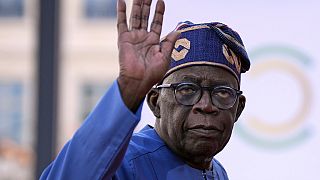
Nigeria's Supreme Court on Thursday rejected appeals by two opposition candidates challenging the election of Bola Ahmed Tinubu in February's presidential election, ending the eight-month dispute.
After examination, a panel of seven judges of the Court "dismissed" the appeal of candidate Atiku Abubakar (who came second) and that of Peter Obi (who came third).
The Supreme Court also upheld the judgment of an appeals court in Abuja that on September 6 upheld the election of Bola Ahmed Tinubu "as the duly elected President of the Federal Republic of Nigeria," Justice Justice John Inyang Okoro said in announcing the decision on Abubakar's appeal.
The rulings put an end to an eight-month electoral dispute following the disputed election on 25 February.
In the past, Nigeria's elections have often been marred by allegations of fraud and challenged in court. But the country's highest court has never reviewed the results of a presidential election since the end of military rule and the return to democracy in 1999.
A former governor of Lagos and candidate of the ruling All Progressives Congress (APC) party, Bola Tinubu won February's presidential election with 37 percent of the vote, beating People's Democratic Party (PDP) candidate Atiku Abubakar (29 percent) and Labour Party (LP) candidate Peter Obi (25 percent), one of the closest polls in the country's modern history.
Nearly 25 million Nigerians cast ballots in the election, which was largely peaceful, but was marred by delays in the vote count and major failures in the electronic transfer of results, leading voters and the opposition to denounce "massive fraud".
After the election, the Election Commission acknowledged that there were "problems" in the voting process, but said it had been free and fair.
Tinubu took office in May and has been rapidly implementing reforms that his government says will support the growth of Africa's largest economy and attract more foreign investment.
This is at a time when the government is also facing immense security challenges, including a jihadist insurgency in the northeast, criminal groups carrying out mass kidnappings in the northwest and centre, and separatist agitation in the southeast.



01:41
Nigeria's president hails economic reforms ahead of bid for reelection
10:00
Cameroon: Thousands flee the Far North after Boko Haram attack [Africanews Today]
Go to video
Nigeria arrests Mexican national as authorities uncover suspected meth lab
01:57
Nigerians displaced by conflict call for 'change' ahead of 2027 polls
01:12
Nigeria: Abuja bans all official visits to South Africa amid anti-immigrant violence
Go to video
Uganda's Tooro kingdom succession disputed after death of King Oyo