



Zimbabwe
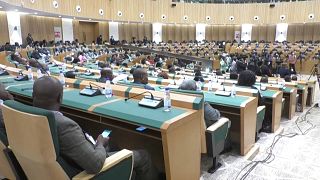
Parliament in Zimbabwe has approved a controversial new law that criminalises acts that damage "the sovereignty and national interest" of the southern African country.
The new law was passed hours after the government announced nationwide elections for August 23rd.
Critics claim the new law kills free speech.
"What they are criminalizing is differing opinion against Zanu-PF and different opinion from Mnangagwa himself, who is a presidential candidate for Zanu-PF and this happens at the edge of an election showing without any doubt that the envelope of reform is being done by Zanu, contrary to what they put particularly in the international community, that they are reforming", said Ostallos Siziba, National Deputy Spokesperson for the opposition's CCC party.
A lawmaker from the ruling Zanu-PF party, told parliament the new law aimed to encourage Zimbabweans to be "patriotic".
The bill is the latest in a series of moves that critics say are aimed at shutting down dissenting voices in the run up to the elections.
Njabulo Ncube is the National Coordinator for the Zimbabwe Editors Forum:
"They want to be seen to be hardliners so they want this law to try and put fear in the hearts of the electorate, the hearts of the opposition by using this bad law which is coming on the eve of an election", said the national coordinator.
Eighty-year-old Emmerson Mnangagwa, who replaced strongman ruler Robert Mugabe in 2017 after a military-led coup, is seeking a second term in August.
His main challenger is Nelson Chamisa, a 45-year-old lawyer and pastor, who leads the recently formed CCC party.

00:57
President Mnangagwa highlights economic gains, warns of drought risk in Zimbabwe
01:03
Morocco detains Tangier mayor over alleged electoral fraud
01:22
South Sudan's election commission urges peaceful electoral process
01:12
'I expect nothing': Morocco elections test young people's faith in politics
01:15
Cape Verde's President Neves to run for re-election in November
01:17
Morocco kicks off legislative election campaign with 27 political parties vying for 395 seats