



Sudan
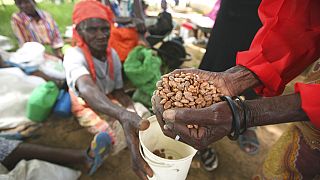
Fifteen million people in Sudan face acute food insecurity.
This is the conclusion contained in the latest joint report from the World Food Programme and the Food and Agriculture Organization.
Behind the crisis are the compounded effects of climate change, political turmoil and rising global food prices.
"WFP Sudan has just completed its food security assessment. Unfortunately, our worst fears have been confirmed. We estimate at this point in time that some 15 million people are going hungry in Sudan. Our projections for later in the year indicate that this might be increasing to some 18 million people. The main drivers behind food insecurity in Sudan are the economic crisis, conflict, a poor harvest and now also the global impact and the fallout of the crisis in Ukraine", said Carl Paulsson, WFP Sudan Head of Programme.
According to the UN report, funding levels fall short of meeting humanitarian needs in the country, where 40% of the population is expected to slip into food insecurity by September.
Displaced Market Vendor Badria Hussan Umar added "the reason for these high prices is the conflict. It's similar to what happened in Tawila (2004) when they killed people and looted their belongings. When we first came here, we received help but that has now stopped. If I manage to sell something, I can eat. If I don't make enough money, I go to bed hungry. Other than that, we don't have anything".
Last October's military takeover put a stop to Sudan's transition to democratic rule after three decades of repression and international isolation under autocratic President Omar al-Bashir.







02:20
Beja swords remain 'cherished tradition' in Sudan market
01:39
Somalia's drought fallout worsened by aid cuts and ongoing conflict
06:00
Middle East war will slow down economic growth in Africa as cost of living crisis soars, IMF warns
01:00
Two Sudanese women die in migrant boat crossing from northern France
01:00
Pix of the Day, 27 April 2026
01:46
How one surgeon maintained hospital care amid Sudan's conflict