



South Africa
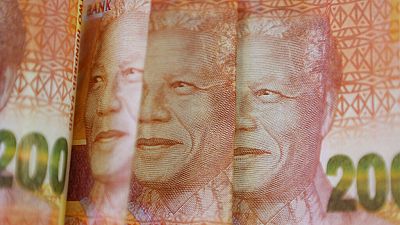
South Africa's inflation hit a new record high of 7.8 percent year-on-year in July, its highest level in 13 years, driven mainly by rising food, transport, and electricity prices, official figures showed Wednesday.
"Year-on-year consumer price inflation reached a new 13-year high, rising to 7.8 percent in July from 7.4 percent in June," the national statistics agency, StatsSA, said in a statement.
Inflation has reached its highest level in decades in many countries, fueled in particular by the war in Ukraine and the economic recovery following the easing of restrictions related to the global Covid pandemic.
The continent's leading industrial power had already seen consumer price inflation accelerate in June to 7.4% year-on-year.
Commodities such as food, beverages, electricity, and medicine are the most affected: "annual inflation for non-durable goods is in double digits, at 14.4%", StatsSA points out.
The price of bread has risen by 13.7% and now costs 17.84 rands (1.05 euro) compared to 15.57 rand (0.92 euro) at the same time last year. Oil rose by 36.2 percent.
South Africans, with nearly 34% of the workforce unemployed, are also facing a 56.2 increase in fuel prices.
On Wednesday, the country's two largest unions called for demonstrations against the high cost of living.
In July, the South African central bank tried to stabilize inflation by raising its key rate by 75 basis points to 5.5 percent, the biggest increase in a decade.
The institution has revised its growth estimates downwards, expecting a slowdown to 1.3% in 2023, before a slight rebound to 1.5% in 2024.






01:45
Nigeria: Mass wedding sees 1,500 couples tie the knot in Kano State
00:51
Ghana inflation continues to ease in July as food prices fall
11:19
Decoding Nigeria’s crypto shift and transforming diaspora cash into capital {Business Africa}
00:59
Italian navy boards suspected Russian tanker in the Mediterranean
01:00
South Sudan's president dismisses central bank governor
11:18
Zambia: Economic test looms for next administration [Business Africa]