



Mali
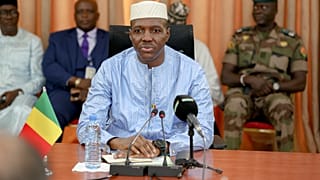
ECPWAS mediators trying to resolve Mali’s political crisis have proposed a power-sharing government and a new constitutional court.
The Ecowas delegation held a marathon weekend of talks in Bamako in their latest bid to calm tensions and called on the government, the opposition and civil society to work together.
Jean Claude Kassi Brou, ECOWAS head said: “It is urgent to set up a government of national unity, on the basis of consensus and taking into account the recommendations of the Inclusive National Dialogue and the following distribution proposals…
“Fifty percent of the members of the government will come from the ruling coalition; Thirty percent of government officials will come from the opposition and twenty percent of government officials will come from civil society.”
President Ibrahim Boubacar Keïta had already made a similar offer, which was rejected by the opposition protest movement.
The demonstrators are insisting that the president resigns, saying he has failed to address jihadist violence, corruption and the country’s economic challenges.
Mali has been hit by protests that erupted last month demanding Keita’s resignation. The international community has been trying to defuse the crisis.
.embed-container { position: relative; padding-bottom: 56.25%; height: 0; overflow: hidden; max-width: 100%; } .embed-container iframe, .embed-container object, .embed-container embed { position: absolute; top: 0; left: 0; width: 100%; height: 100%; }

01:10
Kinshasa opposition protest dispersed as clashes leave one dead
02:13
Nigerian presidential hopeful Obi promises anti-corruption drive
01:14
Mali’s information war is increasingly being shaped by AI
01:04
Sierra Leone ex-president Koroma returns after treason case dropped
02:20
Mali: Mariam Bagayoko continues to impress on stage aged 88
01:02
Guinea: France joins calls for transparent investigation into mass grave