A South African radio presenter has appeared in court, accused of recruiting men to fight for Russia in the war in Ukraine.
South African radio presenter charged with recruiting fighters for Russia
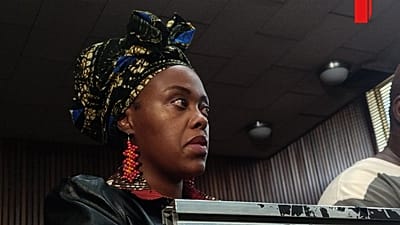
SAFM presenter Nonkululeko Mantula
-
Copyright © africanews
AP/Russian Defense Ministry Press Service
-
@ndasheii
Nonkululeko Mantula, 39, was arrested with four men after a tip-off to authorities. Investigators say she recruited the men and arranged their planned enlistment into the Russian army.
Police say three of the men were stopped at the airport while trying to fly to Russia via the UAE. Officials believe a fifth recruit may have already reached Russia.
Fighting for a foreign army without government approval is illegal in South Africa. All five suspects have been remanded in custody and will return to court for a bail hearing next week.
Mantula, a presenter on SAFM, was arrested as police also pursue a separate investigation involving Duduzile Zuma-Sambudla , daughter of former president Jacob Zuma. She is accused of deceiving 17 South African men into travelling to Russia under the false promise of security training that would lead to jobs. Zuma-Sambudla resigned from parliament last week following the allegations.
Last month, the South African government confirmed that it had received distress calls from 17 South African men trapped in eastern Ukraine after allegedly being forced to fight for a Russian mercenary group. Another political party claims the men had their passports, clothes and phones confiscated upon arrival in Russia.
Authorities have launched a wider probe into how South Africans are being recruited to fight in the war. The government says it is working with international agencies to bring the men home.
Russia has been repeatedly accused of recruiting foreign fighters by advertising fake job opportunities. South African officials have also warned that women are being targeted online with false offers of work in Russian drone factories, hospitality, and catering.
Zuma-Sambudla has previously been accused of amplifying pro-Russia narratives. A 2023 report by the Center for Information Resilience found her social media accounts played a significant role in spreading pro-Russian messages shortly after the invasion of Ukraine in 2022.