African fashion is going through a quiet but powerful shift. It’s no longer only about traditional outfits for ceremonies or cultural events. It is now becoming part of global luxury culture, red carpet identity, and international storytelling.
Why African fashion is gaining global attention
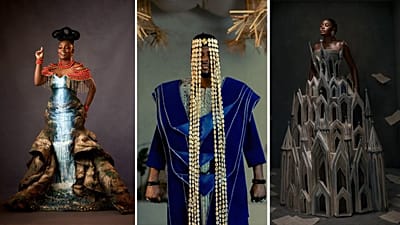
red carpet moments from 12 AMVCAs
-
Copyright © africanews
cleared
What makes this moment interesting is not just the clothes themselves, but the system growing around them, designers, celebrities, media platforms, and digital culture all pushing African fashion into global visibility.
Across the continent, fashion is now being treated less as “style” and more as identity, business, and cultural power.
From local inspiration to global luxury
Research shows that African designers are no longer working only within local markets. They are increasingly being recognized in global fashion spaces like Paris, London, and New York, where African-inspired design is being treated as part of modern luxury, not just cultural reference.
Brands such as Thebe Magugu, Abbaswoman , Maki Oh, Veekee James and others are now regularly featured in global conversations around luxury fashion, sustainability, and cultural storytelling. Studies and industry reports highlight that African fashion is gaining attention because it blends heritage, craftsmanship, and modern design innovation in a way that global audiences now actively seek.
This shift matters because it shows African fashion is no longer “catching up”, but it is influencing direction.
Fashion as storytelling, not just clothing
One of the biggest changes is how African fashion is now used as a storytelling tool.
On red carpets, award shows, and cultural events, outfits are no longer random styling choices. They are designed as statements, about heritage, politics, personality, or even social commentary.
Recent fashion analysis shows that African celebrities increasingly treat red carpet dressing as performance art, where structure, texture, and symbolism are as important as beauty itself.
This explains why some looks go viral even more than the events themselves. The outfit becomes the headline.
The social media effect changed everything
Another major shift is speed.
Before, fashion visibility depended on magazines or televised events. Now, a single outfit can circulate across Instagram, TikTok, blogs, and entertainment pages within minutes.
Reports on African fashion trends show that digital platforms are now one of the strongest drivers of global reach for African designers, allowing them to access audiences far beyond the continent without relying on traditional fashion gatekeepers.
This has basically removed the “local-only” limitation. A look created in Accra, Lagos, or Johannesburg can trend in London or New York on the same day.
African fashion is also becoming an economy
Beyond visibility, there is also a business transformation happening.
African fashion is increasingly being seen as a growing creative industry with export potential. Designers are now targeting global buyers and international collaborations, with traditional textiles being reworked into modern silhouettes designed for global markets.
In simple terms: African fashion is no longer just cultural expression, it is becoming an economic sector.
The bigger picture: identity in motion
What ties everything together is identity.
African fashion today sits between two worlds, tradition and modernity, local meaning and global consumption, heritage and innovation. That tension is what makes it powerful.
It is not trying to copy global fashion systems. It is building its own voice inside them.
Even everyday conversations around African fashion now reflect this shift — from how it is worn, to how it is interpreted, to how it is valued globally.
African fashion is not “emerging” anymore.
It is reorganising how it wants to be seen , not as a trend, but as a language that carries history, creativity, and global influence at the same time.
And right now, the world is finally listening.