World Cup fans in a growing number of U.S. cities won't have an issue finding a well-poured pint to go with their late-night match.
Extended bar hours seek to boost businesses during World Cup
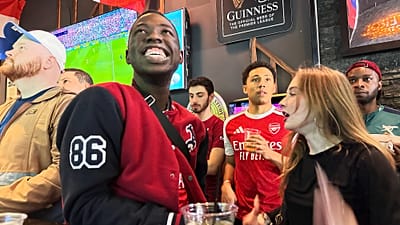
Fans watch a Champion league soccer match between Arsenal and Paris Saint-Germain at the Lion Sports Bar, Saturday, May 30, 2026, in Philadelphia
-
Copyright © africanews
AP Photo
State leaders across the U.S. are signing off on extending bar and restaurant hours during the world’s most-watched sporting event. They want to help businesses and improve fan experiences, particularly for those who may have been priced out of tickets. Others see the move as a last-ditch effort to boost sales as expectations for a World Cup economic boon have dampened.
So far, Kansas, Missouri, New Jersey, Pennsylvania, Rhode Island and Washington — states either hosting World Cup matches or adjacent to the activity — have all approved various measures to extend hours for alcohol sales during the tournament. Similar proposals are being considered in New York and Massachusetts.
The changes mean that closing time won’t come until 4 a.m. in Philadelphia during the World Cup and America 250 celebrations.
Mark Prinzinger, owner of Lion Sports Bar in Philadelphia, described watching soccer with fans from all over the world as a “magical experience." Now that he has the option to keep his bar open two hours longer, he’s hired extra staff, streamlined the menus and planned late-night programming.
Many of these changes are dependent on municipality approval, and no business would be required to extend business hours. But for the hospitality industry, already struggling under waning sales and inflation, the option to stay open later is welcomed.
According to the World Cup schedule, a majority of games will be held from early afternoon through early evening. But a handful start later, with four games starting at midnight and eight games starting at 10 p.m. for those watching in the Eastern time zone.
Just how big of a demand there will be for late-night bites and drinks is somewhat unknown. In the U.S., consumer habits have shifted drastically ever since the COVID-19 pandemic, with more people choosing to go out earlier in the day and spending less overall, said David Henkes, senior principal at Technomic, a firm that monitors restaurant and food industry trends.