



Ethiopia
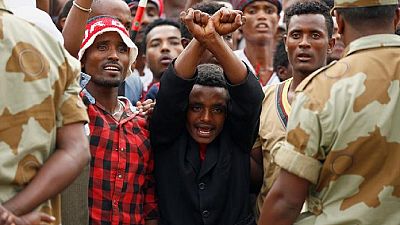
At least 61 people have been killed in clashes between different ethnic groups in Ethiopia’s Oromiya region, officials said, the latest bout of violence to highlight increasing instability in a province racked by bloody protests in 2015 and 2016.
In the latest bout of attacks and counter-attacks, 29 Oromos and 32 Ethio-Somalis have been confirmed dead by authorities in the West Haraghe zone of Oromia region where the clashes happened.
The region’s spokesperson Addisu Arega Kitessa explained that from Thursday of last week, 29 ethnic Oromos were killed by ethnic Somali attackers in the region’s Hawi Gudina and Daro Lebu districts.
The violence triggered revenge attacks by ethnic Oromos in another district, resulting in the killing of 32 Somalis who were being sheltered in the area following a previous round of violence.
“The region is working to bring the perpetrators to justice,” the spokesman said in a statement.
This latest bout of violence follows protests in Oromiya’s Celenko town where the region’s officials said 16 ethnic Oromos were shot dead on Tuesday by soldiers trying to disperse the crowd.
Over the weekend, university students in Oromia led what was described as a ‘mass mourning’ and silent protest over the recent civilian deaths.
“We do not know who ordered the deployment of the military. This illegal act should be punished,” said Lema Megersa, the region’s president.
The clashes are likely to fuel fears about security in Ethiopia, the region’s biggest economy and a staunch Western ally.
‘‘The violence in the Oromia-Ethio-Somali bordering areas and the university campuses is a cause for grave concern’‘, Ethiopian Prime Minister Hailemarian Desalegn is quoted to have told the local influential media portal Addis Standard.
Lema’s comments also illustrate growing friction within Ethiopia’s ruling EPRDF coalition, since unrest roiled the Oromiya region in 2015 and 2016, when hundreds of people were killed.
At that time, the violence forced the government to impose a nine-month state of emergency that was only lifted in August.
The unrest was provoked by a development scheme for the capital Addis Ababa that dissidents said amounted to land grabs and turned into broader anti-government demonstrations over political and human rights.
It included attacks on businesses, many of them foreign-owned, including farms growing flowers for export.
![[Photos] Ethiopia students stage peaceful protest over Oromia deaths](https://static.euronews.com/articles/415201/320x180_415201.jpg)

Go to video
At least 50 soldiers killed in jihadist attack on Malian army base
01:21
Presidents of Guinea and Ivory Coast agree to strengthen cooperation
02:28
African migrants stranded in Yemen face growing humanitarian crisis
01:14
Ethiopia backs executive presidency plan, raising fears of power grab
01:30
UN calls on Haitian authorities to do more to protect civilians
01:28
Ethiopia: Tigrayan women celebrate Ashenda amid fears of new war