



Ceuta
Tensions remain high in Ceuta after migrant influx to Spain's North African enclave puts a strain on resources.
In Spain's North African enclave of Ceuta, September 2 is normally a day of celebration, when the territory marks its annual holiday.
But not this year. More than 70,000 migrants stormed the border in late July. Most have left but at least 5,000 remain, angering residents who say they are putting a strain on public resources.
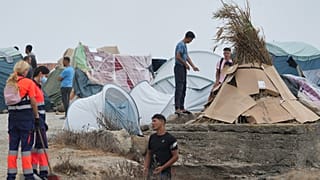
Meanwhile, many migrants still homeless, living in makeshift camps on the beach.
The migrants still waiting in Ceuta are hoping for permission to remain in Europe. But for Moroccan nationals, the process isn't easy.
“The issue of asylum works against Moroccans because we do not have the right to apply for asylum. But black Africans have done so, as have other Arab countries – such as Yemen, Sudan, Egypt, Algeria and Tunisia, all of whom have been able to apply. So why not Moroccans?"
July's migrant influx has triggered an angry backlash against Spanish authorities, and anti-immigrant protests have been taking place across the country.
Prime Minister Pedro Sanchez has accused right-wing social media accounts, many reportedly linked to Russia and Israel, of trying to exploit the crisis.





01:14
UK threatens Eritreans with total visa ban over migrant return policy
01:05
Somali-born US lawmaker Ilhan Omar under investigation over immigration history
00:56
Spain seeks ‘good neighbourly relations’ with Morocco as migration crisis shadows royal visit
01:00
Ceuta crowds affirm Spanish identity during royal visit
01:00
Ceuta awaits King Felipe after summer migration crisis
01:56
France’s far right leader visits Ceuta amid migration debate