




Slavery
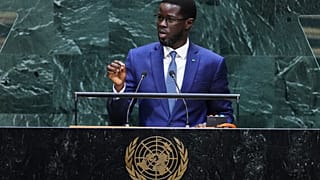
Days after the United Nations General Assembly adopted a resolution declaring the transatlantic slave trade the “gravest crime against humanity,” the global conversation has shifted from recognition to a more contentious question: who owes Africa?
This was the subject for discussion on the April edition of the Africanews debates which featuredOliver Barker-Vormawor (Legal Practitioner & Reparations Proposal Contributor), Jendayi Serwah (Reparations Activist) and Nkechi Taifa (Reparations Advocate & Attorney).
The resolution, backed by a strong majority, has reignited debate across Africa, the diaspora and Western capitals, exposing deep divisions over responsibility, justice and feasibility.
From Symbolism to Accountability
For Oliver Barker-Vormawor, a legal practitioner involved in shaping the proposal, the significance lies in how the resolution reframes history.
He argues it challenges the long-held notion that slavery operated within any legitimate legal framework, instead positioning it firmly as a crime demanding accountability under evolving international law.
“This is about correcting a historical narrative and establishing a basis for responsibility,” he said during a recent debate.
Global Divide Widens
While many countries in the Global South have rallied behind calls for reparatory justice, resistance from parts of the West continues to shape the discourse.
Reparations advocate Nkechi Taifa points to what she describes as a gap between moral recognition and political action, particularly in countries that have historically benefited from the slave trade.
“The issue is no longer evidence, it’s political will,” she argued, highlighting growing pressure from grassroots movements and policy initiatives, especially in the United States.
What Should Reparations Look Like?
Beyond the question of financial compensation, the debate is expanding into broader demands for structural and cultural repair.
Jendayi Serwah, a grassroots organiser, emphasises that reparations must also address long-term social and psychological impacts.
She argues that while global accountability is essential, African nations must also confront internal challenges linked to the legacy of slavery and colonialism.
A Movement Gaining Momentum
Advocates say the current moment reflects decades of activism rather than a sudden shift.
Across Africa, the Caribbean and the diaspora, calls for reparations are increasingly moving into policy spaces, with discussions around restitution, institutional reform and historical acknowledgment gaining traction.
The Bigger Question
While critics continue to question the practicality of reparations, supporters insist the debate has already moved beyond whether justice is necessary.
Instead, the focus is now on implementation, and whether the international system is prepared to confront one of history’s most enduring injustices.
As the conversation evolves, one question continues to dominate: Can the world move from acknowledgment to action, or will reparations remain a moral argument without consequence?
01:07
Pope Leo denounces suffering of African enslaved people during Peru visit
10:00
South Africa: ANC Loses Ground, Coalition Talks Take Centre Stage [Africanews Today]
01:09
Slave trade: Ghana's president says reparations not limited to cash payments
01:36
Commonwealth leaders welcome UK dialogue on harms of transatlantic slave trade
00:58
Kenya’s Phoebe Okowa elected to International Court of Justice
01:19
King Charles addresses 'monstrous injustice' of slavery as UK PM mulls apology