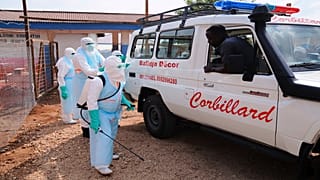
cholera
Africa is grappling with its most severe cholera outbreak in a quarter of a century, the Africa CDC warned on Thursday, linking the surge to fragile water infrastructure and ongoing conflict across parts of the continent. According to the agency, more than 300,000 cholera and suspected cholera cases have been recorded recently, along with over 7,000 deaths — a rise of more than 30% compared to last year.
Countries such as Angola and Burundi have seen infections spike dramatically in recent weeks due to limited access to safe drinking water. Cholera, a fast-spreading and potentially deadly diarrhoeal disease, thrives where sewage systems are weak and water sources are contaminated.
There are signs of progress in some areas: the Africa CDC reports that the outbreak in Congo is now under control, with cases declining. Improvements have also been noted in South Sudan and Somalia, though conflict-affected regions remain particularly vulnerable as overcrowded camps with poor sanitation accelerate transmission.
Separately, authorities in Ethiopia have identified eight suspected cases of viral hemorrhagic fever and are awaiting test results, while rapid response teams work to contain the threat. The CDC also noted that while the Mpox outbreak is easing in some heavily affected nations, it continues to pose risks in Kenya, Guinea, Liberia, and Ghana.