



cholera
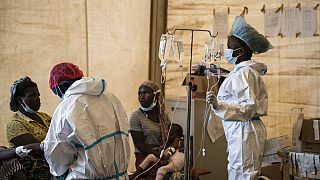
An ancient affliction once pushed to the margins is reemerging worldwide — in 2025 already over 6,800 people have died of Cholera, marking an increase from the previous year. The disease is striking hardest in Africa, where conflict, poverty and poor sanitation give it fertile ground.
While effective vaccines and treatments exist, the main obstacle is political will and investment, not science. According to health analysts, only one major manufacturer produces the scale of vaccine required, leaving the global stockpile vulnerable. One bright spot: Zambia recently signed a partnership to build its own vaccine facility in collaboration with a Chinese firm, signalling a push toward African self-sufficiency.
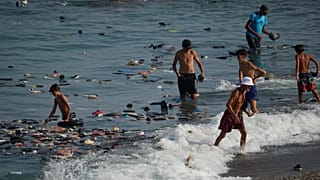
However, long-term eradication hinges on more than vaccines. As the report states: “Stopping cholera is not a scientific, medical or technical challenge; fundamentally, it’s a political one.” Communities continue to suffer because they lack safe drinking water, sanitation and resilience to environmental shocks that spread the disease.
The message is clear: The world has the tools to stop cholera — now it must find the commitment to use them.


01:45
Ebola worsening food insecurity in eastern Congo, UN agency chief warns
Go to video
Kenya probes death of 15 elephants at Amboseli park
01:10
Uganda officially Ebola-free, 42 days after last patient discharged
Go to video
WHO urges caution as West Nile virus spreads across Europe
01:45
MSF says health workers in DR Congo are struggling to prevent Ebola spread
01:47
Funding cuts threaten Africa's progress in fight against disease