



United Nations
Delegates to the UN General Assembly use fashion as a way of bringing their culture and traditions to the global forum.
At the United Nations General Assembly, speeches aren’t the only statements being made.
Beyond the rhetoric and debates, fashion has quietly emerged as a form of diplomacy.
The AP spoke with several delegates about the attire they chose to wear, and the meaning it carries for them and their countries.
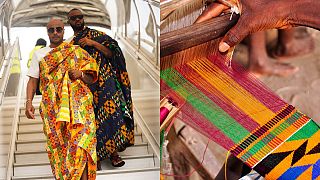
Among those drawing attention this year were several African delegates, proudly displaying the heritage of their countries.
From Nigeria, Maryam Bello stood out in her Hausa traditional dress, a vibrant outfit she described as “made to look beautiful to represent African culture.” Her attire blended elegance with pride, symbolizing the rich diversity of Nigerian traditions.
Representing Lesotho, Sofonea Shale wore the nation’s iconic traditional hat, known as the mokorotlo. “It symbolizes the mountain, actually a fortress where the founder of the nation was able to protect against attack,” Shale explained, linking his outfit to the history and resilience of his country.
In Madagascar, tradition and modernity merged through the style of Aurelie Razafinjato, who emphasized the symbolism of flowers. “Modern and traditional because flowers are good for women—for resilience, for empowerment of the woman,” she said, highlighting the role of clothing as both fashion and statement.
Dr. Carol Labor, advisor on mental health from Sierra Leone, chose a dress made in neighboring Gambia specifically for the UN event. “This dress was actually made in Gambia, especially for this occasion,” she shared, underscoring the regional bonds that connect African countries through textiles and design.
From East Africa, Yvonne Anyango of Kenya showcased an Ankara Kitenge outfit, a popular fabric in many African nations, known for its bold prints and bright colors. For her, the choice represented both her national identity and the shared cultural threads across the continent.
While representatives from Greece, Bolivia, Bhutan, Norway, and others also highlighted their cultural or formal dress choices, the African delegates stood out for turning the General Assembly’s corridors into a runway of heritage, resilience, and pride.
For Nico Maunis, the variety of styles and statements are proof that the General Assembly is more than politics—it’s a meeting point of cultures. And for Africa, the message is clear: diplomacy can be conducted not only through words, but through fabrics, symbols, and traditions carried with pride onto the global stage.


02:20
British-Sudanese author writes African history book aimed at children
01:03
US denies visa for Sudan's de facto leader due to address UN
02:09
Protest against Iranian government outside UN headquarters in New York
00:45
Leaders of Senegal and France 'review partnership' at UN assembly
00:59
Exiled Guinean opposition leader says his passport has been revoked
01:46
Ruto pushes for global finance reforms at summit for multilateralism