



HIV
A game-changing HIV prevention drug is set to become vastly more affordable in over 100 low- and middle-income countries, a move that could bring the world closer to ending the HIV/AIDS epidemic.
The drug, Lenacapavir, is a long-acting injectable taken just twice a year, offering six months of protection against HIV infection with each dose. It currently costs $28,000 per person annually, but under a new global health deal, the price will be slashed to just $40, less than 0.1% of the original cost.
The lower-cost version is expected to roll out across 120 countries by 2027, thanks to a landmark deal brokered by former U.S. President Bill Clinton, in partnership with the Clinton Foundation, the Gates Foundation, and other global health partners including South Africa’s Wits RHI.
Lenacapavir has already been approved in the U.S. and Europe and received WHO backing in July. It has shown a 100% success rate in trials, offering protection to the most vulnerable including young women, LGBTQ+ people, sex workers, and people who use drugs.
Experts say it could soon replace daily oral PrEP, which remains underused and stigmatized in many regions.
The breakthrough comes as over 40 million people globally live with HIV, with South Africa, the worst-hit country, set to benefit early from the rollout.


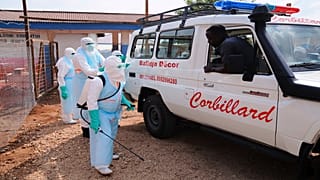
02:00
Ebola: Sharp jump in cases in North Kivu while outbreak slows in Ituri
02:01
Kenya: Health workers increasingly concerned in wake of USAID cuts
01:49
WHO sees encouraging signs in Congo Ebola fight but warns of surging cases
01:55
Ebola survivors in Beni take their lessons to schools as classes resume
01:06
WFP says Ebola response in Congo must include food aid
02:02
DRC: Schools reopen in ebola epicentre despite concerns