



Nigeria
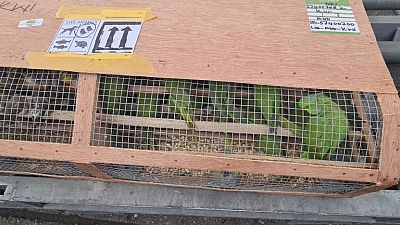
Nigerian customs said they intercepted a shipment with more than 1620 live parrots and canaries that were being transported from Murtala Muhammed International Airport in Lagos to Kuwait without a permit, in one of the biggest wildlife trafficking seizures in years.
During a routine check, customs agents seized ring-necked parakeets and green and yellow-fronted canaries, two protected species, at the airport on July 31, the authority said in a statement late Monday.
“No illegal shipment will slip through the cracks under my watch at the airport, because the eagle eyes of our officers are everywhere to detect and intercept”, Customs Area Comptroller, Michael Awe said.
Nigeria is a signatory to the Convention on International Trade in Endangered Species of Wild Fauna and Flora, or CITES.
Authorities are, therefore, required to ensure that animal transports are accompanied by a CITES permit and other documents that prove that the animals are legally obtained. Something the bird shipment didn't have, according to the statement.
Officials have started an investigation to identify and prosecute those behind the illegal export attempt.
Meanwhile, the confiscated birds have been given to the National Park Service, which is responsible for rehabilitating and reintroducing endangered species into their natural habitats, Awe said.
The seizure is a sign of positive change in the fight against illegal wildlife trade, as Nigeria is a major hub in the global trade in protected species, said Mark Ofua, West Africa spokesperson for the international non-governmental organisation Wild Africa.
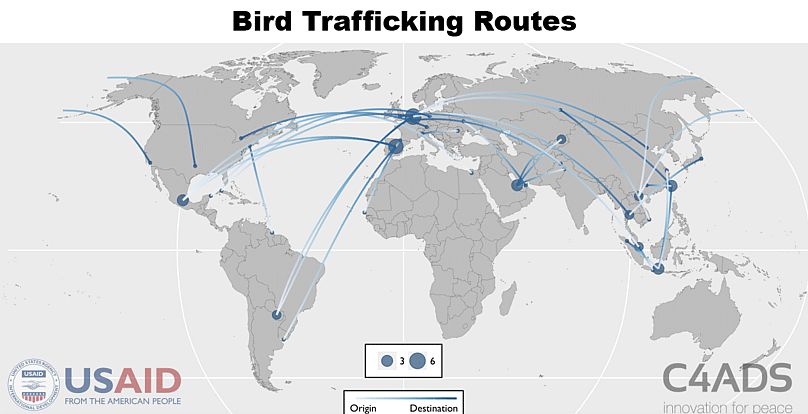
According to Ofua, Nigeria’s porous borders, widespread corruption, and weak enforcement make it a key transit hub for ivory, pangolin scales and other wildlife products destined for Asia.
From there, Middle Eastern airports often serve as another transit point due to their strategic location between Africa and Asia.
Several rare African species are used in traditional medicines or eaten as a delicacy in countries like China, according to a report by the United States Agency for International Development Reducing Opportunities for Unlawful Transport of Endangered Species Partnership
Global illegal wildlife trafficking is valued at $8–10 billion annually.








01:52
Rescued cheetahs find refuge in Somaliland amid trafficking crisis
00:31
Nigerian Muslims mark End of Ramadan with Eid al-Fitr prayers
Go to video
Burkina Faso’s tomato export ban raises concerns over regional supply
01:17
Bola Tinubu's state visit to UK: major steel deal agreed with British PM
Go to video
“We are living in fear”: Gay people in Senegal amid crackdown
01:01
Prince and Princess of Wales meet Nigerian President at Windsor