



Zimbabwe
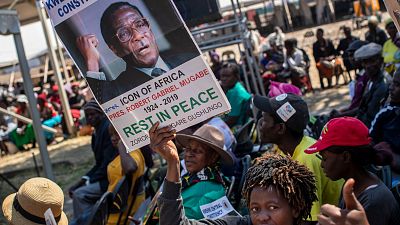
A Zimbabwean court has dismissed an opposition bid to block public hearings into the Gukurahundi massacres—an episode in the 1980s during which thousands were killed by elite troops under then-President Robert Mugabe. The Zimbabwe African People’s Union (ZAPU) argued the process lacks impartiality and legal legitimacy, as it's led by traditional chiefs. But the Bulawayo High Court ruled the challenge was not urgent and came too late.
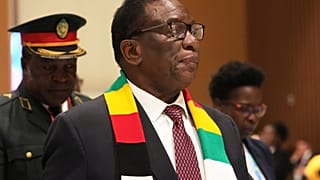
The hearings, backed by President Emmerson Mnangagwa—himself a former security minister during that era—aim to promote truth, reconciliation, and healing in communities affected by the killings, especially in Matabeleland and the Midlands. Victims’ groups welcome the move as a long-overdue chance for justice and public acknowledgment.
While ZAPU remains critical, saying the model silences perpetrators and risks whitewashing history, the government insists the process is a vital step toward national unity. The hearings will collect testimonies, with chiefs playing a central role in facilitating dialogue. Civil society groups stress the need for transparency and accountability as the country confronts one of its darkest chapters.





01:00
South African court pauses President Cyril Ramaphosa's impeachment process
01:04
Kenyan court rejects Rastafarians' bid to use cannabis for religion
01:41
Zimbabweans return home from South Africa amid anti-immigrant tensions
02:03
S.Africa minister raises concerns about security at Zimbabwe border
Go to video
Moroccan court jails 29 in major drug trafficking case
01:02
Zimbabwe Senate approves bill to extend presidential term