



South Africa
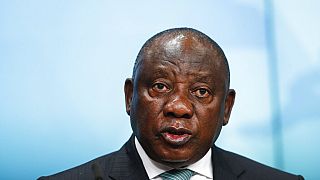
South Africa’s President Cyril Ramaphosa on Wednesday signed a controversial National Health Insurance bill into law, just two weeks ahead of a highly-contested general election.
His ruling African National Congress is widely expected to lose its majority in parliament in the vote, for the first time since the end of apartheid.
The new law aims to provide quality universal health coverage to all South Africans, but its implementation has been met with opposition and scepticism.
Among the concerns are that its execution will be undermined by widespread corruption and budget restraints, which see the country struggling to fund basic services.
Currently, 80 per cent of South Africans rely on strained state-run public health services while about 16 per cent has access to private healthcare through medical aid plans.
Public health facilities often have long lines and medicine shortages, and there are concerns about the affordability of the law and possible tax increases to fund it.
Opposition parties have accused Ramaphosa of signing the bill into law as a ploy to garner much-needed support for his party.
And a raft of political parties, medical organisations, and other stakeholders are threatening legal challenges to it.
The official opposition Democratic Alliance said Wednesday announced it would legally challenge the new law.





Go to video
Guinea: Heavy gunfire reported near central Prison in Conakry
01:12
Burkina Faso's parliament approves ban on political parties
Go to video
Ebo Taylor, Ghanaian highlife icon, dies at 90
Go to video
Why Africa’s truth is falling behind in the digital race (Africanews Debates)
Go to video
Ghana and Zambia sign visa-free travel agreement
Go to video
Senegalese actress Halima Gadji dies in France