



Kenya
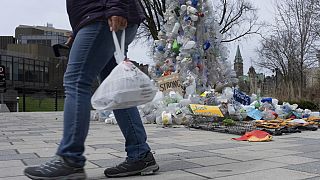
Despite a groundbreaking 2017 law banning single-use plastic bags for household and commercial use, Kenya has not quite won its battle with plastic pollution.
Its capital, Nairobi, for example, generates about 2,400 tonnes of solid waste every day, of which a fifth is plastic.
But now, it is going one step further.
The National Environment Management Authority (NEMA) has announced a ban on the use of plastic bags for the collection of organic waste like leftover food.
It says that 90 days after 8 April, when the notice was first issued, plastic bags will not be allowed at markets.
In addition, all organic waste generated by households, both public and private sector institutions, functions and events, will have to be segregated and placed in 100 per cent biodegradable garbage bags.
The environmental agency has directed all county governments and private waste services to provide their clients with the bags.
Analysts say the move is like to increase the cost of garbage collection, particularly for households.





02:38
Congo fishermen abandon nets for plastic waste
02:09
Biogas company in eastern DRC aims to cut bills, deforestation and pollution
01:00
Mexico races to clean crude from Veracruz coastline
01:10
Tunisian court rejects bid to halt polluting fertiliser plant
01:00
Plastic, sofas, medical waste: Bosnia’s river nightmare returns
01:58
Report finds that plastic pellets called nurdles are swamping the world