



Somalia
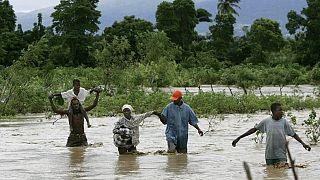
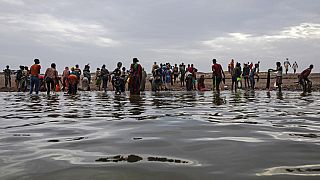
In Somalia, floods caused by torrential rains have killed at least 29 people and displaced more than 300,000 in East Africa, the head of Somalia's disaster management agency said on Tuesday.
The El Niño phenomenon has intensified the rainy season in the Horn of Africa, resulting in equally disastrous outcomes in Ethiopia (20 fatalities) and Kenya (15 fatalities).
In Somalia, which has already experienced the worst drought in 40 years since 2020, the floods are predominantly impacting the south-west of the country.
The authorities and humanitarian organizations are presently engaged in a crucial mission to evacuate, without delay, up to 2,400 individuals who are encircled by surging floodwaters in Luuq, placed in the south-west of the country; Ocha announced this on Wednesday via "X" (formerly Twitter).
Somalia is highly vulnerable to climate change due to its population of 17 million people who majorly live off livestock and agriculture. The country is currently experiencing extreme weather conditions with a higher frequency and intensity.
The World Meteorological Organisation (WMO) announced on Tuesday that El Niño, which is usually associated with rising temperatures, droughts in some areas of the world and heavy rains in others, will persist until April.
This meteorological phenomenon has already caused extensive damage
Major flooding occurred from October 1997 to January 1998,




Go to video
Severe storm forces school closures across Algeria
01:06
Trump says Ilhan Omar’s wealth is under investigation
00:59
UN launches $852 million aid plan for Somalia amid deepening crisis
Go to video
More than 640,000 people affected by catastrophic Mozambique floods
00:56
Mozambique: crocodiles appear in towns amid floods
01:00
Malawi launches cholera vaccine rollout