



Nigeria
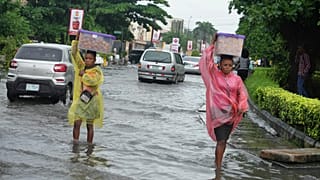
About 500 people are believed to have died in Nigeria's worst flooding in a decade with a further 1.4 million people displaced from their homes.
The heavy downfalls have hit huge swathes of the country and affected people from all walks of life.
Jude Ekene-Ane is a moto-taxi driver whose business has been badly damaged by the situation
"As a keke [moto-taxi] driver it has affected us," he explains. "It has affected us very very much. Affected me the most especially, because people are no longer living in this area, people have migrated to other places.
"We no longer see passengers carry. It's only these canoe people that are the ones doing the shuttle services. We don't have anything like keke or bus or other vehicles that we'd normally use for transportation."
Floods caused by abundant rains and poor infrastructure have affected vast swathes of the country sparking fears of food shortages and high inflation.
Fuel scarcity has already caused long queues at petrol stations in the capital Abuja this week after tankers were blocked by floods in neighbouring states.
Jude said: "Together with our [neighbours] we paid for over five trips of sand that we would drop along these streets and in front of our yard to stop the flood from entering our house.
"But all to no avail. The whole effort was abortive, it couldn't work because the flood is too much."
Even more heavy rain is expected in the coming weeks and months.
The rainy season typically ends in November in northern states and in December in the south and more damage to people and property is likely before then.


01:05
Nigeria says two nationals killed in anti-migrant violence in South Africa
00:56
Ghana's inflation rises in June as high fuel prices persist
01:35
UN says hunger in conflict-hit northern Nigeria is reaching crisis levels
01:07
Floods kill 59 in Ivory Coast since mid-May: Government
02:20
Wole Soyinka university theatre fosters new talent in Nigeria and beyond
00:52
Nigeria's Dangote refinery imports first crude oil from UAE