



Niger
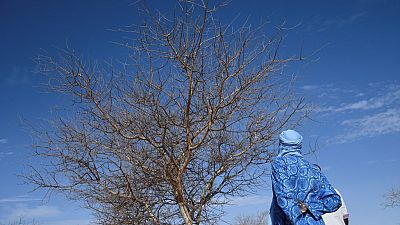
The Nigerian government has decided to use chemicals to induce rain in response to the drought that has caused a severe food crisis in the country this year, AFP learned Thursday from the meteorological department.
The technology of "induced rain" involves using an aircraft to introduce chemicals into the clouds, including a mixture of silver, sodium and acetone.
"It was necessary to act on this problem of drought" in order to have "many more days of rain and at the same time increase the quantity of rain", explained Katiellou Gaptia Lawan, director of the Niger meteorology department, who is piloting the operation with the Malian consortium Ibi Air.
He emphasised that there are "many prolonged dry spells in Niger that disrupt the development of crops and pastures".
According to him, specific interventions should therefore target crop or pasture areas, when they experience "long rainfall respites".
The west of the country, including the Niamey region, benefited from the first interventions at the beginning of August, after several weeks without rain.
The operation will continue until the end of September, the usual end of the rainy season in Niger.
The climate in this country is Sahelian, characterised by a long dry season lasting 8 to 10 months and a short rainy season lasting 3 to 4 months, from June to September.
The number of rainy days varies from north to south, with annual rainfall ranging from less than 100 mm, mainly in the north, to 700-800 mm.
However, floods have recently affected the desert north due to climate change, according to the Nigerien authorities.
In addition to the drought in several regions, other regions are affected by severe floods that have killed 53 people, affected 87,942 and injured 74, according to the latest official figures.
Due to the drought and jihadist violence that has prevented farmers from cultivating their fields, Niger is facing a serious food crisis this year.
According to the government, more than 4.4 million people are "severely" food insecure, or about 20% of the population.
The rate of acute malnutrition among children is likely to be 12.5%, exceeding the emergency threshold of 10% set by the World Health Organisation (WHO).





01:00
Unprecedented rainfall in Japan leaves at least four dead in Chiba prefecture
01:00
Soaring stingray numbers off California beaches drive record injuries
01:19
Europe swelters through record heat as drought and wildfires intensify
01:00
Italy’s Po river runs low as drought threatens farms and water supplies
01:00
Deadly earthquake in Colombia hits Manizales, damaging cathedral and homes
02:04
Rising lakes in Kenya force communities to flee as wildlife encounters increase