



Senegal
In Senegal; it is the first time since the West African nation's independence in 1960 that the ruling party's group loses its absolute majority in Parliament. It will have to rely on other forces in parliament to pass legislation.
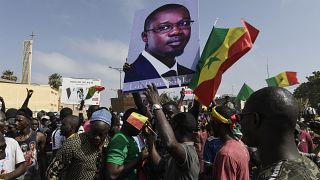
The opposition had hoped the elections would impose a cohabitation, or divided government, on Sall and curb any ambitions he may have for a third term.
And it seems to have succeeded. The main opposition coalition Yewwi Askane Wi won 56 seats, while its ally Wallu Senegal won 24 seats.
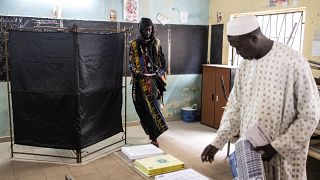
Some seven million Senegalese were eligible to vote in the election in order to choose between 8 coalitions. The interior ministry said the participation rate was 47 percent.
The ruling coalition - which includes Sall's party Alliance for the Republic (APR) and other parties- lost 43 seats from the 125 it secured in 2017. According to local media; the opposition gained ground, particularly in urban area.
Three other seats were won by three small coalitions who could serve as kingmakers.
For the final results to be declared by the Constitutionnal Council; the competing coalitions will be given time to voice any concerns.
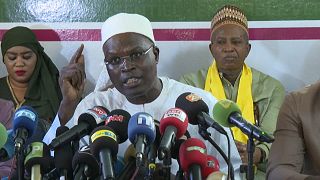
On Wednesday; the main opposition coalition asked the National Commission for the Census of Votes to suspend the publication of the results to examine complaints over alleged "irregularities" and "fraud" during the one-round election.


01:14
CAF overturns Senegal win: Appeals board declares Morocco AFCON Champions
Go to video
Appeal trial of 18 Senegalese nationals detained during AFCON final postponed
01:05
Guinea: Opposition reacts to dissolution of 40 political parties
01:05
Guinea's junta dissolves 40 political parties with late-night decree
01:07
Senegal: opponents speak out against Macky Sall's UN candidacy
01:22
Somalia's new constitution will see directly elected lawmakers