



Sudan
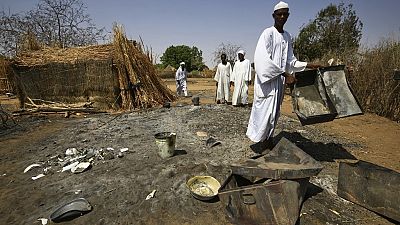
The death toll from recent violence in Darfur, western Sudan, has risen to over 125 displacing about 50,000 people the UN said in a statement on Tuesday (June 14).
The clashes started on June 6 between members of the non-Arab Gimir tribe and the Arab Rizeigat tribe in the Kolbous area, about 160 kilometres north of El-Geneina, the capital of West Darfur.
A land dispute between one member of the Rizeigat and another of the Gimir triggered the violence in this arid region bordering Chad.
"More than 125 people were killed and many others wounded" between 6 and 11 June, the UN Office for the Coordination of Humanitarian Affairs (OCHA) said on Tuesday.
More than 25 Gimir villages "were attacked, looted and burned" and "50,000 people fled Kolbous to nearby Sirba, Jebel Moon and Sarfa Omra," it added in a statement.
According to the UN, 101 of the deceased were from the Gimir tribe and 25 from the Rizeigat tribe.
Ibrahim Hashem, a leader of the Gimir tribe, said on Monday that more than 110 people had died in the fighting over the past few days.
"The situation remains tense" in the villages of the Kolbous region, he said.
Mr Hashem also noted the government's deployment of the paramilitary Rapid Support Forces (RSF) group near the Gimir villages.
The RSF is largely made up of Arab nomads from the armed Janjaweed militia, who have been accused of committing atrocities in Darfur.
This vast region was ravaged by a civil war in 2003 between the then Arab-majority regime of Omar al-Bashir and ethnic minority insurgents claiming discrimination.


02:03
Young Uganda-based refugees chase their Olympic dream in Senegal
01:30
Egypt urges political solution to conflict between Saudi Arabia and Houthis
01:00
Albania: Violent protests rock Tirana for third straight day
01:14
Mali hosts more than 322,000 refugees and asylum seekers
01:00
Albania: Student protests in Tirana turn violent as Flamingo Revolution escalates
01:00
Belgium: 9 minors arrested as clashes erupt near Brussels-Midi