



Democratic Republic Of Congo
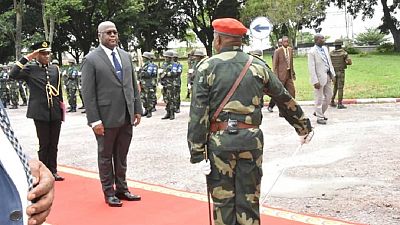
New Congolese president Felix Tshisekedi has appointed a top security advisor in the person of Francois Beya Kasonga, the presidential order announcing the appointment was read on national television over the weekend.
In his 60s, Kasonga has spent a considerable time within the intelligence sector of the country and is widely seen as more moderate than his immediate predecessor, Master Jean Mbuyu.
His last position was as Director General of Migration under the Joseph Kabila government. He served for 12 straight years in the role.
The current appointment means he has worked under all three previous presidents since he first served on the National Security Council of President Mobutu Sese Seko.
He was also retained to work at the then National Intelligence Agency (ANR) under Laurent-Désiré Kabila, before becoming chief of migration under Joseph Kabila.
With his new position as special advisor to the President in matters of security; he therefore becomes head of the National Security Council for a country that had over the years been rocked by armed conflict and a serious crackdown on peaceful protesters.
He is widely seen among Congolese and diplomatc circles as a man who has the reputation of being moderate. The French-broadcaster, RFI, quoted a human rights defender as saying the move showed that government wanted to give a new phase to the security sector.
François Beya Kasonga is also one of those who have always tried to bring opposition and power together. He is replaced at his Migration Directorate office by Roland Kashwantale.


02:47
KoBold Metals uses AI to search for critical minerals in Congo
01:08
DR Congo to probe violence, death of protestor at anti-govt rally
10:00
Cameroon: Thousands flee the Far North after Boko Haram attack [Africanews Today]
01:41
Congo launches Ebola vaccination campaign for frontline workers
01:34
UN envoy visits displaced communities in eastern DR Congo
01:21
Medical teams in DRC face difficult conditions as the race to contain Ebola outbreak