



South Africa
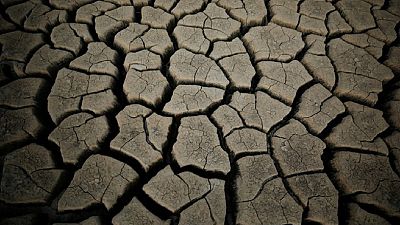
South Africa’s drought-stricken Cape Town has pushed back its estimate for “Day Zero,” when taps in the city run dry and people start queuing for water, to 2019 from August of this year, and data show dam levels rising elsewhere in the country.
An El Nino-triggered drought two years ago hit agricultural production and economic growth throughout South Africa.
Cape Town was particularly hard hit, and lack of good subsequent rains around the city has made its water shortage worse.
The City of Cape Town said on its web site that Day Zero had been “pushed out to 2019.”
Residents have been living with stringent consumption restrictions, which now stand at 50 litres per person per day. Those restrictions remain in effect.
Relief for Cape Town, a major tourist draw famed for its mountain backdrop, beaches and nearby wine farms, may also be imminent, with good seasonal rains forecast.
Cape Town typically gets rain in the southern hemisphere winter, starting around May.
Above-average-rainfall is now forecast over the next three months, according to the latest seasonal outlook from the South African Weather Service.
REUTERS






01:06
Nigeria repatriates 1,490 nationals from South Africa after xenophobic violence
00:55
Zimbabwe says nearly 100,000 of its citizens have left South Africa
01:10
Collapse of Matlala plea deal complicates South Africa's police corruption case
02:07
Nigeria, South Africa row over compensation for deportees
00:49
Shock in South African football: World Cup star Jayden Adams dies at 25
Go to video
Ramaphosa honors South Africa's WWI fallen in France