



Morocco
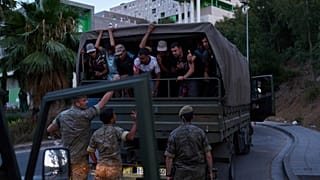
Dozens of families of Moroccan migrants missing or detained in Libya on Monday demonstrated in front of the Ministry of Foreign Affairs in Rabat to ask the authorities to repatriate their relatives.
Many protesters waved portraits of their children, sometimes very young men, looking for a better life.
“My son left for Libya after graduation and is now detained in a Libyan prison,” said Fatna Kharbouch, one of the mothers who came to voice out her anger.
The families of these migrants, mostly from Khouribga, Beni Mellal and Fqih Bensalah – towns in the center of the country – have been trying for several weeks to mobilize public opinion to urge the authorities to intervene.
Last week, the Moroccan government announced the creation of a “monitoring committee” to “drive the return of Moroccans stranded in Libya” in “conditions that preserve their security.”
Plunged into chaos since the collapse of Muammar Gaddafi’s regime in 2011, Libya is a transit hub for African migrants seeking to reach Europe.
On November 14, a shocking documentary by the American television channel CNN exposed the existence of slave sales near Tripoli.
According to the family support committee, the closure of the Moroccan Embassy in Tripoli in early 2015 has also complicated the issue.
“Morocco transports thousands of Africans to their country of origin and at the same time, we have 700 Moroccans abandoned in centers and prisons, without anyone giving them papers to travel with dignity,”. Azzedine Tabit, a member of the Coordination of Moroccans residing in Libya, created by families.
Last August, a first repatriation operation brought back 190 Moroccans stranded in Libya.

![Dangote IPO, DRC fire tragedy and regional developments [Africanews Today]](https://images.euronews.com/articles/stories/09/91/24/62/320x180_cmsv2_186695ce-5ee9-5851-9802-f2d5a1a92bf7-9912462.jpg)



02:20
Threads of fragility: Moroccan artist transforms Tangier museum
01:35
Thousands forced to flee as Houthis advance on Bab el-Mandeb Strait
01:29
Moroccan lawyers extend strike over profession law
01:17
Morocco kicks off legislative election campaign with 27 political parties vying for 395 seats
01:18
UN hails Libyan agreement to move toward elections
01:25
Nepal marks 1 year since Gen Z-led violent revolt against corruption