



Ethiopia
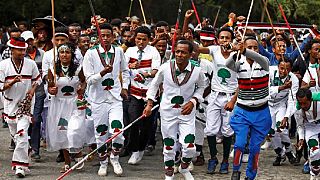
Ethiopia’s Oromia regional state has confirmed that there will be no armed security personnel at this year’s Irreecha festival.
Security on the day will be handled by unarmed police and another 300 young people whose mandate will be to prevent unethical behaviour.
A top official involved in the organization of the annual cultural festival of the Oromo people further disclosed that it would be kept strictly within its cultural boundaries with no politics allowed.
The festival takes place every October 1 in the town of Bishoftu – located some 40km southeast of the capital, Addis Ababa.
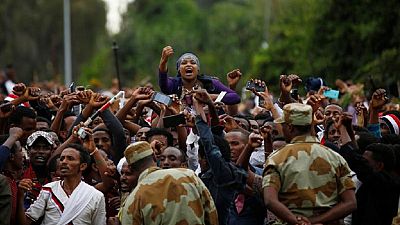
The event took an ugly turn last year when a stampede led to loss of lives. The government said over 50 people were killed as a result and declared three days of national mourning.
Activists and rights groups, however, blamed the highhandedness of security forces for the incident.
Deadly protests that followed led to the imposition of a state of emergency about a week later, on October 9.
The six-month measure was reviewed upon its initial expiration in April this year. It was lifted in August this year, bringing the total duration to 10 months.
Addis Ababa has flatly rejected calls for an independent probe into the incident stressing that it had internal mechanisms to do that. Rights groups have dismissed efforts by the Ethiopian Human Rights Commission (EHRC) as lacking credibility.
A recent Human Rights Watch (HRW) report titled ‘Fuel on the Fire,’ reiterated the position that the government’s undue interference in a purely cultural event was to blame for the deadly disruption in 2016. “Last year’s tragedy was triggered by the government’s botched effort to control the event,” HRW senior researcher Felix Horne said.
“This year, the government should consider whether a much lighter security force presence would best serve to minimize the potential for violence, and in any case, ensure that security force personnel minimize and seek to avoid any use of force,” he added.
The Oromia region is one of Ethiopia’s most restive regions – despite being one of the largest and most populated. It was at the heart of deadly anti-government protests that rocked the country leading to security crackdown and largely a contributory factor to the state of emergency.

01:00
Bulgaria lights up its Black Sea coast with digital art festival
01:05
Tigray rebels accuse Ethiopia of drone strikes amid fears of renewed war
02:20
Kinshasa skate festival aims to change perceptions of urban sports
Go to video
Kenyan security officers killed in suspected Al-Shabaab border ambush
02:26
One year after Komanda massacre, survivors call for peace and protection
02:19
Morocco celebrates 30 years of international storytelling festival