



Angola
Angola is stepping up efforts to fight against poaching and ivory trade in the country.
The government intends to implement tough new laws and border controls as the country is a major transit point for illegal ivory trade to world markets.
Recently, captured tonnes of tusks were displayed at the Luiana National Conservation Park.
“I think in front of us is a demonstration of what the Angolan government is doing. It is taking action, to tackle the poaching here. A new law was put in 2013. The police in this region have been activated to arrest people who are smuggling this ivory having killed the elephants and they are being prosecuted. Almost all of this ivory is evidence in ongoing court cases and those people will be brought to justice. What needs to happen now is the law should be made stronger,” said Alexander Rhodes CEO for “Stop Ivory” – a global organisation that is fighting to end elephant poaching in Africa.
Poaching threatens the frail recovery of Angola’s wildlife annihilate during the country’s civil war.
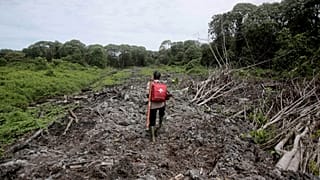
“It is very, very difficult to find elephants because during the war years, many of them disappeared. We look at the landscape and try and find routes that would be very remote and we are going to investigate those for signs of elephants first and then we will look at locating them. So we found them on the Cuando river in the catchment,” said Dr. Steve Boyes who runs a research program helping to locate various wildlife species in Angola.
The government plans to revive wildlife numbers as it seeks to diverse its economy.
Reuters





01:12
Four arrested as Elephant deaths in Kenya’s Amboseli ecosystem rise to 18
02:10
South Africa's unique succulents under threat from poachers
00:52
Vietnam police seize nearly 1.2 tonnes of ivory hidden in timber logs
Go to video
Kenya: Recent elephant deaths thought to be linked to pesticides
02:20
Campaigners demand sanctuary for Johannesburg Zoo elephants
01:07
Kenya: Fifteen elephants found dead of suspected pesticide poisoning