



Somalia
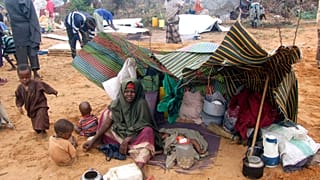
Somalia is struggling with extreme climate conditions, where in the last two years, below average and erratic rainfall provoked severe droughts.
The latest UN assessment estimates that 4.7 million people – nearly 40 percent of Somalia’s population – are in need of humanitarian assistance.
#ElNiño-related #drought leads to #hunger & lack of water in #Somalia.
— CERF (UNCERF) April 15, 2016UNCERFresponds. pic.twitter.com/1ucPEsaGf1
The drought has caused shortages of water and pasture, leading to the death of livestock – a lifeline for the pastoralist communities.
“I am 80 years old. In the 80 years of my life this is the first time that I have seen a drought this bad. It has killed so many animals and caused so much hunger. Our lives are in danger,” said Mohamed Omar, a Somalia pastoralist.
Pastoralists have been moving in search of food for themselves and their animals but have found nothing, even across borders.
“The drought has been going on for three years in Ethiopia. We were told that there was pasture on the other side of the border. But when we got here, we didn’t find anything,” said Hawo Rayab.
The Famine Early Warning Systems Network said that fighting between the Islamist militant group al Shabaab and authorities in Somalia has forced people to flee their homes forcing the humanitarians to suspend aid.
Child malnutrition rates are soaring in northern Somalia as aid workers fear hunger will worsen with further poor rains predicted.
Awdal region, which borders Ethiopia, has reported cases of malnutrition-related deaths with life threatening acute dietary deficiency admissions in hospitals.
Reuters




01:03
Somalia: Fighting breaks out on outskirts of Baidoa
00:53
Most Tunisian regions on high alert amid second extreme heatwave
00:59
Hungary’s lakes and rivers hit record lows as severe drought deepens
01:00
Mongolia hosts UN desertification summit as drought crisis deepens
01:24
New protests in Tunisia calling for ousting of President Kais Saied
00:49
South Africa: Consumer inflation rate eases in July for first time in five months