



Africa
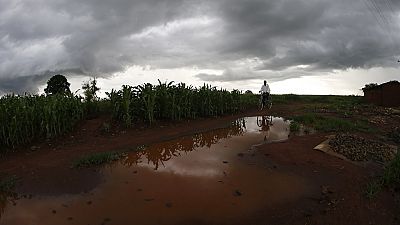
Central America, parts of Africa and Asia have been hit by a drought that is generating a severe food crisis.
In Haiti, 3.6 million people are facing food insecurity with farmers losing a significant part of the harvest. A climate expert said this has been caused by El Niño that started in 2015, but, he added: “Its effects [of El Niño] however will be felt all the way to early 2017 and its effects have been widespread geographically. El Niño has caused impacts on the growing seasons of Central America to Haiti. Ethiopia where it registered one of the driest seasons in the last 50 years all the way to Indonesia and Papua New Guinea which again has suffered one of the major droughts on record.” The 2015 El Niño was one of the strongest ever and a bit more powerful than the record event in 1997. The phenomenon occurs every three to five years due to the warming equatorial waters of the Pacific Ocean.
In Ethiopia, Africa’s second most populous country, ten million are facing the consequences of the worst drought in 50 years.
The country says it will need hundreds of millions in food aid in the coming weeks to prevent a “catastrophic escalation” in malnutrition.
Meanwhile, Zimbabwe has declared a state of disaster in parts of the country. According to reports, almost a quarter of its population are in need of aid as the drought has adversely affected crop supplies.
The crisis could also impact the hydro-power generation potential of certain countries, such as Zimbabwe, which gets one-third of its electricity need from this source.





00:55
Zimbabwe: Lake Kariba ferry disaster death toll rises to 94
01:16
Zambia suspends vote counting after election violence
01:07
Chad's president pardons opposition leader and former prime minister Succes Masra
01:03
Invasive mosquito sparks malaria fears across Africa
01:08
30 African countries included in permanent visa bond scheme
Go to video
Kenya probes death of 15 elephants at Amboseli park