


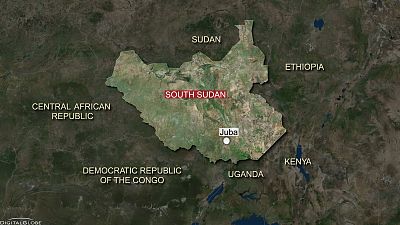

South Sudan
The falling world oil prices combined with a fixed fee for the use of export pipelines means South Sudan is now losing money on every barrel it sells, analysts said Wednesday.
The country which derives most of its revenue from oil currently earns around $20 a barrel for its low quality oil that sells at a discount to the Brent crude benchmark.
On Wednesday the country’s oil was trading at $28, according to Emma Vickers of Global Witness, a London-based campaign group.
But the country pays a fixed fee of $24 to Khartoum for each barrel transiting through Sudanese pipelines to Port Sudan on the shore of the Red Sea.
As a result, oil production in South Sudan is now believed to be costing the government at least $4 a barrel, further battering the economy of Africa’s youngest nation, and raising fears of another oil shutdown.
After it’s independence in July 9, 2011 after decades of conflict with Khartoum, South Sudan inherited 75% of the oil reserves of Sudan pre-secession but since it is landlocked, it continues to depend on Sudanese infrastructure for export.
According to Juba’s privately owned Eye Radio, the country’s foreign ministry has reportedly written to Khartoum seeking to renegotiate the transit fee deal.
The Sudan Tribune reported a South Sudan government memo warning that without a renegotiation a shutdown may be inevitable.
Observers said Juba is already in arrears for transit fee payments due to Khartoum in recent months, while years of financial mismanagement, a previous oil shutdown in 2012 and the civil war since December 2013 have drained the country’s reserves, reports middle-east-online.com




00:58
Dangote refinery opens to public ownership in Africa's biggest IPO
01:54
UN warns of persistent corruption and violence ahead of S.Sudan polls
00:57
Middle East turmoil: Oil spikes above $100 on war fears
01:25
Uganda names oil ‘Pearl Sweet’ as production nears
01:55
South Sudanese women say insecurity and lack of services threaten lives
02:19
Treacherous road conditions obstruct UN aid delivery in South Sudan