



Kenya
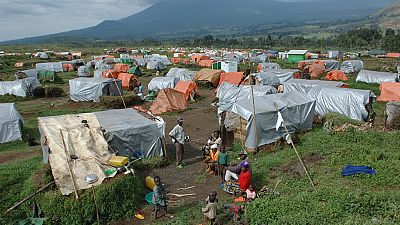
Close to 10 people have lost their lives and a 1000 others sick following a cholera outbreak at the Dadaab camp in Kenya.
According to the UN High Commissioner for refugees, Osman Yussuf Ahmed, the incident broke out in November in the camp which hosts more than 350,000 people mostly Somalis.
Health authorities believe the outbreak was probably caused by a heavy downpour.
Mr Ahmed suggests it is important to maintain hygienic practices by distributing chlorine and soap to refugees.
Humanitarian organisations have been quick to point out that refugees in the camp need funds to ensure that the camp meets minimum humanitarian standards.
Thousands of refugees at the camp live in tents which are regularly destroyed by severe weather and need to be replaced after every six months.
The number of pit latrines in the camp cannot satisfy the needs of the population and children often play in mud.
The Somalian refugees at the Dadaab camp have been fleeing civil war and famine in their country.
Cholera is caused by bacteria called vibrio cholerae . It is easily spread through contaminated water, food and the shaking of hands.
It can be controlled through safe water and sanitation services and community awareness campaigns.



00:54
Teleperformance Kenya faces allegations over workers’ rights
02:01
Kenya: Health workers increasingly concerned in wake of USAID cuts
01:21
Medical teams in DRC face difficult conditions as the race to contain Ebola outbreak
01:45
Kenyans weigh AI's promise and risks as technology transforms jobs
01:49
WHO sees encouraging signs in Congo Ebola fight but warns of surging cases
00:52
South African President Ramaphosa taken ill after BRICS summit